

Chef Hercules, the Cook Who Chose Freedom
The short answer: Hercules Posey was enslaved by George Washington and became one of the most celebrated chefs in early America, running the kitchen at Mount Vernon and later the President's House in Philadelphia. On February 22, 1797, Washington's 65th birthday, he walked away from Mount Vernon. He was never captured.
Before he was known as one of the finest chefs in early America, Hercules Posey was a ferryman on the Potomac. George Washington acquired him around 1769, when a neighbor's unpaid debt handed over twenty-six enslaved people, Hercules among them, then about twenty years old.
By 1786, Mount Vernon's records list him as head cook at the Mansion House. He had trained under the estate's older enslaved chefs, working his way up from scullery work, plucking fowl, hauling water, to running a kitchen that produced elaborate meals for the Washingtons and their guests, often during sixteen-hour days.
In 1790, Washington brought Hercules to Philadelphia to cook in the President's House. There, his reputation grew. Washington's step-grandson later described him as a commanding figure with a taste for fine clothes. With Washington's permission, Hercules sold leftovers from the kitchen and earned close to $200 a year, several times what a hired overseer made at Mount Vernon.
He was still, legally, enslaved. Every six months, Washington rotated Hercules and the other enslaved members of the household out of Pennsylvania, to prevent them from qualifying for freedom under the state's gradual abolition law. Hercules could likely have pressed for his freedom during one of these stays. He didn't, until circumstances changed.
In the summer of 1796, his son Richmond, who worked beside him in the kitchen, was accused of stealing money during a visit to Mount Vernon. Washington suspected the two were planning to escape together and left Hercules behind when the household returned to Philadelphia. Stripped of kitchen duties, Hercules was reassigned to outdoor labor, digging clay, hauling stone.
On February 22, 1797, Washington's 65th birthday, while the president celebrated his final Birth Night Ball in Philadelphia, Hercules walked away from Mount Vernon. He was never captured. For over two centuries, historians believed he had escaped from Philadelphia. Mount Vernon researcher Mary V. Thompson corrected the record in 2009, locating farm reports that placed him at Mount Vernon that week.
Washington searched for him for the rest of his life and never found him. He died in December 1799 without locating Hercules, though his will freed the people he personally enslaved, Hercules among them, effective January 1, 1801. Hercules's children, whose mother had been part of Martha Washington's separate estate, were not covered by that will and remained enslaved.
Hercules settled in New York City, working as a laborer and cook on William Street and later Orange Street. City directories place him there through 1812, the year he died. He was buried in the Second African Burying Ground on Chrystie Street in lower Manhattan.
He is remembered today as one of early America's first celebrated chefs, a man who spent decades cooking in service of someone else's household, then, given the chance, walked out of it.
The candle
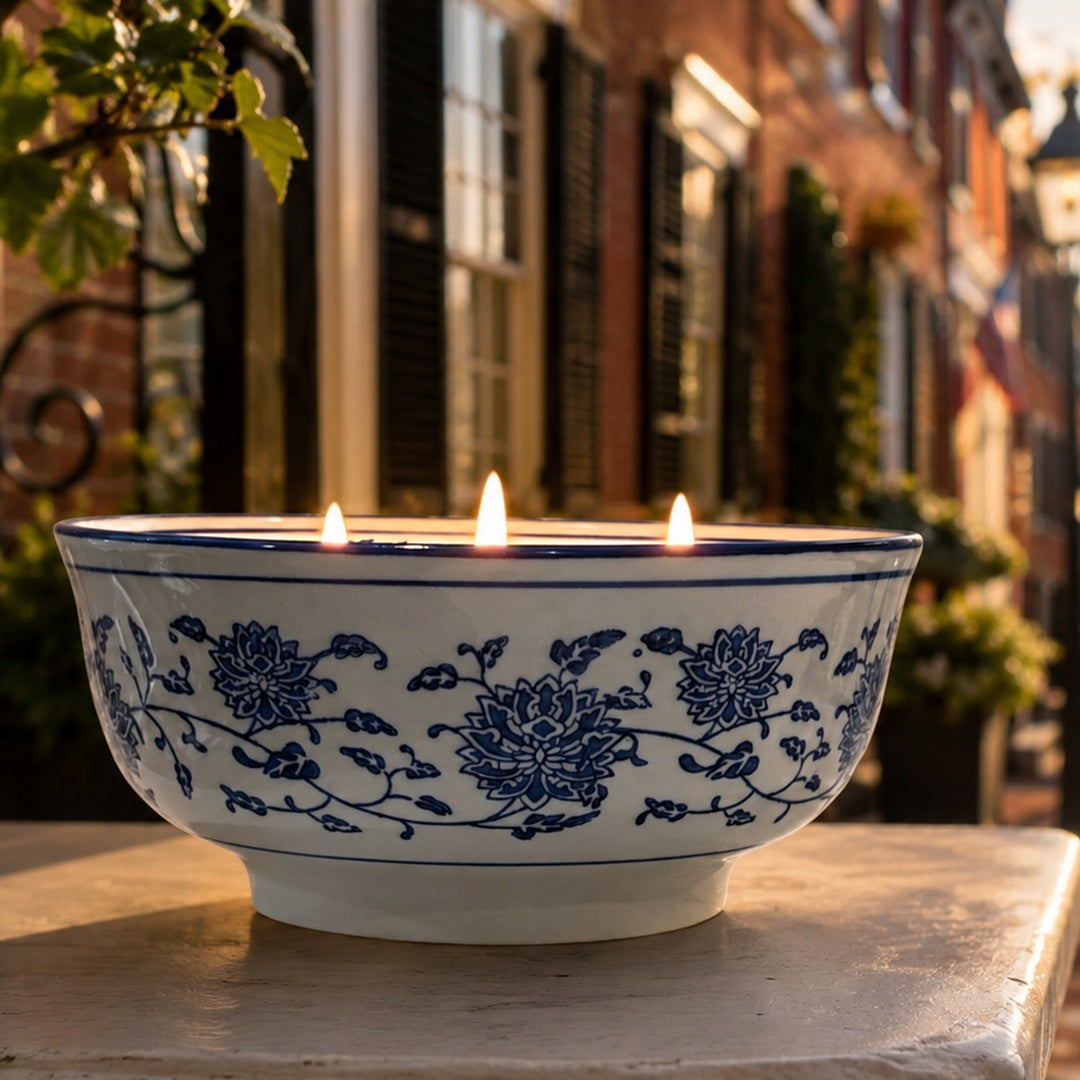
The Hercules Posey Signature Candle is $24, hand poured in a colored glass vessel with a natural soy and coconut wax blend and a lead-free cotton wick. Every candle ships with a story card, so the history travels with it.
Browse the full Signature Collection or shop all scents.
Frequently asked questions
Who was Hercules Posey? An enslaved chef who ran George Washington's kitchens at Mount Vernon and in the President's House in Philadelphia, and who was celebrated in his own lifetime as one of the finest cooks in America.
Did Hercules escape from Philadelphia? No. That was the accepted account for two centuries, but Mount Vernon researcher Mary V. Thompson established in 2009 that he left from Mount Vernon in February 1797.
Was he ever caught? No. Washington searched for him until his death in 1799 and never found him. Hercules lived in New York City until his death in 1812.
Keep reading
Hercules's story sits alongside Ona Judge, James Fayette, and Phillis Wheatley as part of the same body of early American history our work draws from. Read Ona Judge, the Woman Who Said No, who left the same household the year before he did, James Fayette, the Spy Both Sides Trusted, and What Did Colonial Alexandria Actually Smell Like? for the world he cooked in.
Leave a comment
This site is protected by hCaptcha and the hCaptcha Privacy Policy and Terms of Service apply.